
What Is a Regimental Museum? UK Heritage Explained
Over 140 British regimental museums welcome thousands of visitors each year, yet many people are surprised by how much these institutions reveal about national identity and community memory. As guardians of British military heritage, they bridge gaps between history books and lived experiences, sparking curiosity about the real stories behind medals and uniforms. Whether you are interested in personal tales or powerful artefacts, exploring these museums offers genuine insight into the people and events that shaped British society.
Table of Contents
- Defining Regimental Museums And Their Purpose
- Types Of Regimental Museums In The United Kingdom
- How Regimental Museums Operate And Preserve History
- Legal Governance And Collection Standards In The UK
- Visiting, Supporting, And The Public Benefit
Key Takeaways
| Point | Details |
|---|---|
| Regimental Museums Preserve Military Heritage | These institutions serve as living archives, documenting unique stories and artefacts of military regiments, connecting the public with Britain’s military past. |
| Diverse Types of Museums | Regimental museums vary in focus, from infantry and cavalry to specialised corps, each providing distinctive insights into the military experiences and contributions of different units. |
| Educational Role and Community Engagement | They offer dynamic educational experiences, honour veterans, and promote historical literacy, connecting contemporary audiences with personal military narratives. |
| Legal Governance and Standards | Rigorous frameworks guide the acquisition and preservation of historical collections, ensuring ethical management and protection of military heritage. |
Defining Regimental Museums and Their Purpose
Regimental museums represent a profound connection between military heritage and public understanding, serving as critical repositories of historical memory and cultural significance. These specialised institutions are dedicated to preserving the unique stories, traditions, and artefacts of specific military regiments, offering visitors an immersive journey through Britain’s military past.
At their core, these museums function as living archives, meticulously collecting, documenting, and displaying military memorabilia that tell the nuanced stories of individual regiments. Regimental museums across the United Kingdom showcase uniforms, medals, weaponry, photographs, personal accounts, and significant historical documents that illuminate the experiences of soldiers throughout different historical periods. By presenting these collections, they transform abstract historical events into tangible, personal narratives that help contemporary audiences understand the human dimensions of military service.
The National Army Museum plays a crucial role in supporting and coordinating these specialised institutions, ensuring that each regimental museum maintains high standards of preservation and presentation. These museums do more than simply display objects; they educate the public, honour veterans’ sacrifices, and provide critical insights into the social and cultural contexts of military history. By presenting comprehensive narratives that extend beyond battlefield achievements, they help visitors appreciate the complex human experiences embedded within military service.
Pro Tip: When visiting a regimental museum, take time to read the personal stories and examine the details of individual artefacts. These seemingly small elements often reveal the most profound insights into military history and human experience.
Types of Regimental Museums in the United Kingdom
Regimental museums in the United Kingdom represent a diverse and intricate landscape of military heritage, each offering a unique window into the experiences and histories of different military units. Comprehensive studies of army museums reveal a rich tapestry of institutional types that capture the breadth of British military tradition.
Typically, these museums can be categorised into several distinct types, reflecting the complex structure of British military organisations. Regimental museums across the United Kingdom predominantly include institutions dedicated to specific military branches such as infantry regiments, cavalry units, and specialised corps. Each museum focuses on preserving the distinct narrative of its associated regiment, showcasing uniforms, medals, weapons, personal artefacts, and historical documents that illuminate the unique contributions and experiences of soldiers.
The diversity of regimental museums extends beyond mere military unit representation. Some museums concentrate on broader historical periods, while others specialise in particular campaigns or geographical theatres of war. Museums representing infantry regiments often provide comprehensive narratives of ground combat, whereas cavalry museums might emphasise mounted warfare and technological developments. Specialised corps museums, such as those dedicated to engineering, signals, or medical units, offer insights into the critical support roles that were essential to military operations.
The following table compares the main types of regimental museums in the United Kingdom and highlights their primary areas of focus:
| Museum Type | Focus Area | Typical Exhibits |
|---|---|---|
| Infantry Regiment | Ground combat history | Uniforms, medals, diaries |
| Cavalry Regiment | Mounted warfare and tactics | Saddles, weapons, photos |
| Specialised Corps | Technical and support roles | Radios, tools, manuals |
Pro Tip: When exploring regimental museums, pay close attention to the personal stories and individual artefacts. These small details often reveal the most profound insights into military history and the human experiences behind official narratives.
How Regimental Museums Operate and Preserve History
Regimental museums employ sophisticated strategies for preserving and presenting military heritage, operating as complex institutions dedicated to historical conservation and public education. The National Army Museum’s training programmes play a critical role in establishing professional standards for collection management, ensuring these museums maintain rigorous approaches to historical preservation and interpretation.
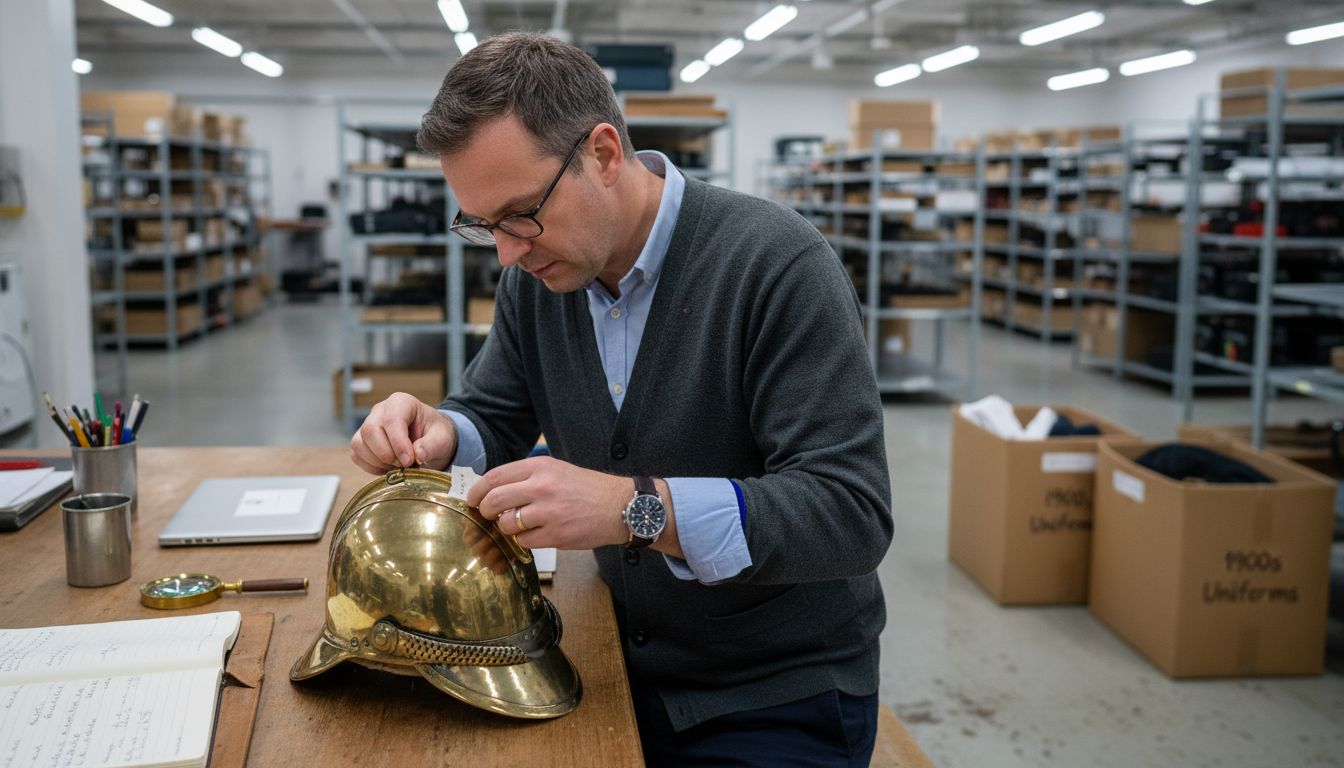
The operational framework of these museums involves multiple interconnected processes. Archivists and curators meticulously catalogue and preserve artefacts, implementing specialised conservation techniques to protect fragile historical items from deterioration. The Royal Armoured Corps Museum and Heritage Network provides a collaborative platform where museums can share best practices, develop joint conservation strategies, and maintain consistent standards across different regimental collections.
These museums also serve as active research centres, supporting academic scholarship and maintaining comprehensive documentation about military units, campaigns, and individual soldiers’ experiences. They engage in ongoing oral history projects, collecting testimonies from veterans and their families to supplement physical collections. By creating dynamic exhibits that combine historical artefacts with personal narratives, regimental museums transform static displays into immersive historical experiences that connect contemporary audiences with military heritage.
Pro Tip: When visiting a regimental museum, request to see archival materials not on public display. Many museums have extensive collections that can provide deeper insights into military history beyond the main exhibition spaces.
Legal Governance and Collection Standards in the UK
Legal governance forms the critical backbone of regimental museum operations, ensuring the preservation and responsible management of military heritage. Comprehensive studies of army museums have established rigorous frameworks that guide the acquisition, preservation, and exhibition of historical military collections across the United Kingdom.
The National Army Museum’s support network plays a pivotal role in maintaining standardised practices among regimental museums. These standards encompass multiple aspects of museum management, including ethical acquisition protocols, conservation techniques, documentation practices, and public accessibility requirements. Museums must adhere to strict guidelines that protect historical artefacts, ensure their long-term preservation, and maintain the integrity of military historical records.
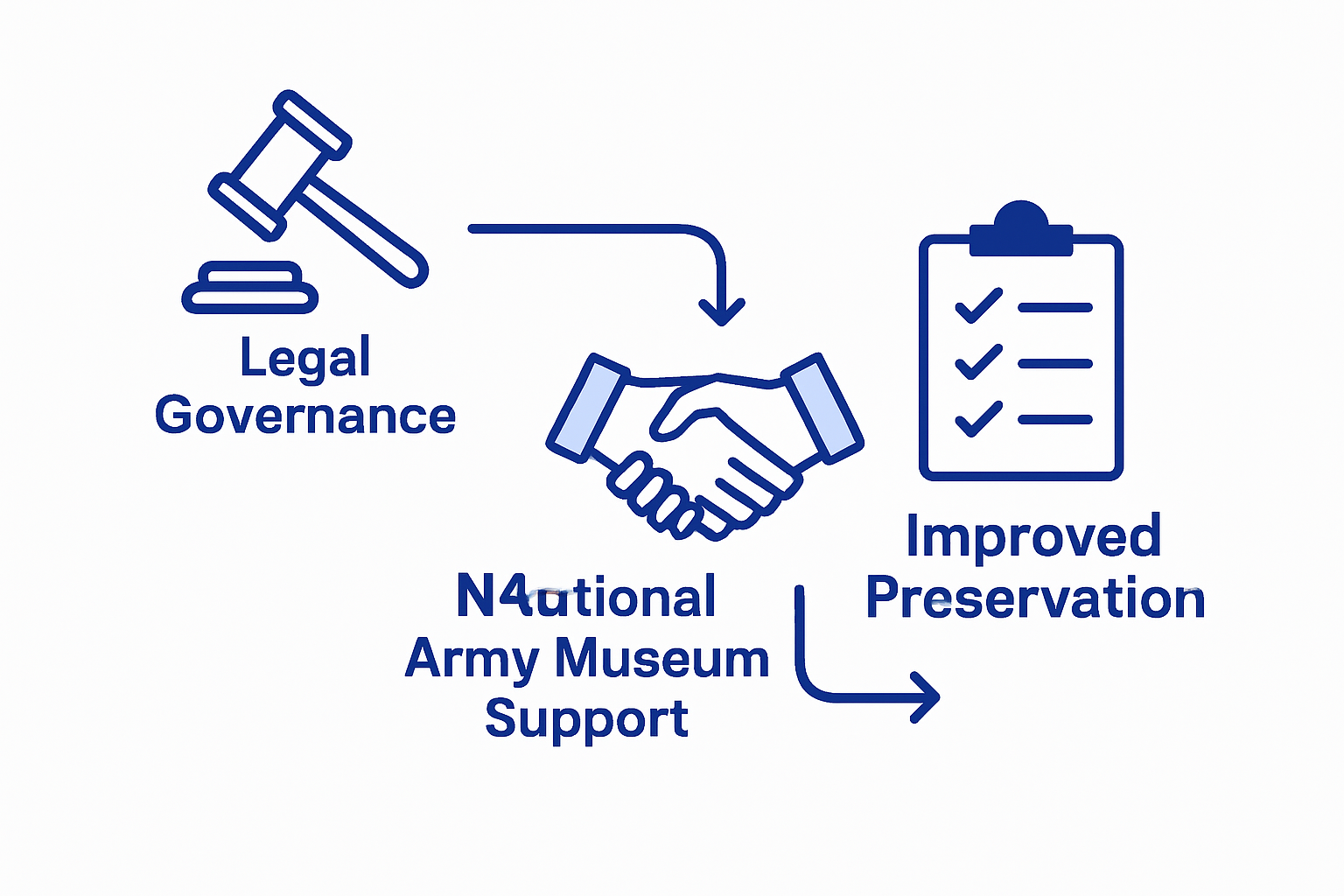
The legal governance of these museums involves complex regulatory mechanisms that address intellectual property rights, artefact provenance, cultural heritage protection, and ethical considerations surrounding military memorabilia. Museums must navigate intricate legal landscapes that involve copyright laws, data protection regulations, and specific heritage preservation statutes. This requires continuous professional development, collaborative networks, and a nuanced understanding of both legal requirements and historical conservation principles.
Pro Tip: Before donating or loaning military artefacts to a regimental museum, request a detailed documentation of the museum’s legal and conservation standards to ensure your historical items will be appropriately preserved and respected.
Visiting, Supporting, and the Public Benefit
The National Army Museum’s comprehensive network plays a crucial role in making military heritage accessible and meaningful for the public. Regimental museums serve far more than mere repositories of historical artefacts; they are dynamic educational institutions that bridge generations, connecting contemporary audiences with the profound experiences of military personnel throughout British history.
Comprehensive studies of army museums reveal multiple ways individuals can engage with and support these vital cultural institutions. Visitors can participate through guided tours, educational workshops, research opportunities, and volunteer programs. Many museums offer membership schemes that provide additional benefits such as exclusive access to archives, special exhibition previews, and opportunities to support preservation efforts directly.
These museums extend their public benefit beyond traditional exhibitions by creating immersive experiences that illuminate the human stories behind military service. They host events commemorating significant historical moments, provide platforms for veterans to share their experiences, and develop educational programs for schools and community groups. By presenting nuanced narratives that go beyond battlefield achievements, regimental museums help visitors understand the complex social, emotional, and personal dimensions of military service.
Here is a summary of key roles regimental museums play for visitors and communities:
| Role | Visitor Benefit | Community Impact |
|---|---|---|
| Education | Enhances understanding of military life | Promotes historical literacy |
| Preservation | Connects visitors with the past | Safeguards local heritage |
| Commemoration | Honours sacrifices and achievements | Strengthens collective memory |
Pro Tip: When visiting a regimental museum, engage with volunteer guides or curators if possible. These individuals often have extraordinary personal insights and can provide contextual information that transforms your understanding of military history.
Honour Your Regiment’s Legacy with Personalised Gifts
Understanding the rich heritage showcased in regimental museums brings to light the importance of remembering the individuals and stories behind each military unit. Whether you have a personal connection to an infantry regiment or wish to commemorate the valiant service of a loved one, finding meaningful ways to celebrate military history can be challenging. The article highlights how regimental museums preserve these stories through artefacts and personal narratives — you can continue this tradition by choosing bespoke creations that reflect this legacy.
Explore a wide selection of British Infantry Regiments Gifts and Personalised Presentations designed to honour sacrifices and celebrate regimental pride.
Discover unique presentation items and keepsakes that bring history to life. Visit The Regimental Store Ltd homepage today and select a gift that truly respects the heritage you value. For specialised regiments such as the Royal Artillery, head over to the Royal Artillery Shop for Gifts and personalised presentation awards and find something exceptional. Take the next step in preserving your regiment’s story with personalised tokens of honour now.
Frequently Asked Questions
What is the purpose of a regimental museum?
Regimental museums aim to preserve military heritage and educate the public about the unique stories, traditions, and artefacts of specific military regiments. They serve as living archives that connect contemporary audiences with the human experiences of military service.
What types of exhibits can I expect to see in a regimental museum?
Visitors can expect to see a variety of exhibits, including uniforms, medals, photographs, personal accounts, weapons, and significant historical documents that illuminate the experiences of soldiers from different regiments and historical periods.
How do regimental museums preserve their collections?
Regimental museums use specialised conservation techniques to catalogue and protect fragile historical items from deterioration. They also engage in ongoing research and oral history projects to document the experiences of veterans and their families.
How can I support my local regimental museum?
You can support local regimental museums by visiting them, participating in guided tours and educational workshops, volunteering your time, or joining membership schemes that contribute to preservation efforts and provide exclusive access to special events.
Recommended
- Complete Guide to Military Memorabilia in the UK – The Regimental Store Ltd
- 7 Essential Steps for Your Army Memorabilia Checklist – The Regimental Store Ltd
- Why Choose Regimental Gifts for UK Forces – The Regimental Store Ltd
- Why Collect Military Memorabilia: Purpose, Pride & Preservation – The Regimental Store Ltd