
What Is a Military Parade and Why It Matters
Watching soldiers march with precision in a military parade goes far beyond spectacle. For many British Army veterans and those still serving, these events stand as a public affirmation of discipline, unity, and respect for tradition. Understanding the true meaning of a formal public display of armed forces reveals why parades matter deeply to regiments, honouring history and strengthening the bond between the military and the Crown. Discover how every uniform, salute, and step reflects values that connect generations.
Table of Contents
- Defining A Military Parade And Its Purpose
- Key Types Of Military Parades In The UK
- Traditional Roles, Structure, And Pageantry
- Ceremonial Significance For Armed Forces
- Parade Etiquette, Participation, And Common Misconceptions
Key Takeaways
| Point | Details |
|---|---|
| Purpose of Military Parades | Military parades are formal displays that affirm discipline, showcase military readiness, and connect armed forces with the public. |
| Types of Parades | Diverse parade types, including commemorative and ceremonial, serve distinct purposes like honouring history and celebrating community pride. |
| Ceremonial Roles | Each participant has a defined role, contributing to the structure and visual pageantry that embodies military heritage and tradition. |
| Etiquette and Participation | Understanding parade etiquette and preparation is crucial for both participants and spectators to maintain dignity and respect during the events. |
Defining a Military Parade and Its Purpose
A military parade is far more than soldiers marching in straight lines. It’s a formal public display of armed forces that demonstrates discipline, precision, and military readiness to the public, dignitaries, and the Crown. When you watch a military parade, you’re witnessing a formal event where soldiers display discipline and readiness, often conducted in the presence of the sovereign or senior state officials. Each synchronized movement, each gleaming uniform, each measured step communicates something deliberate: that the military maintains the highest standards of order and professionalism.
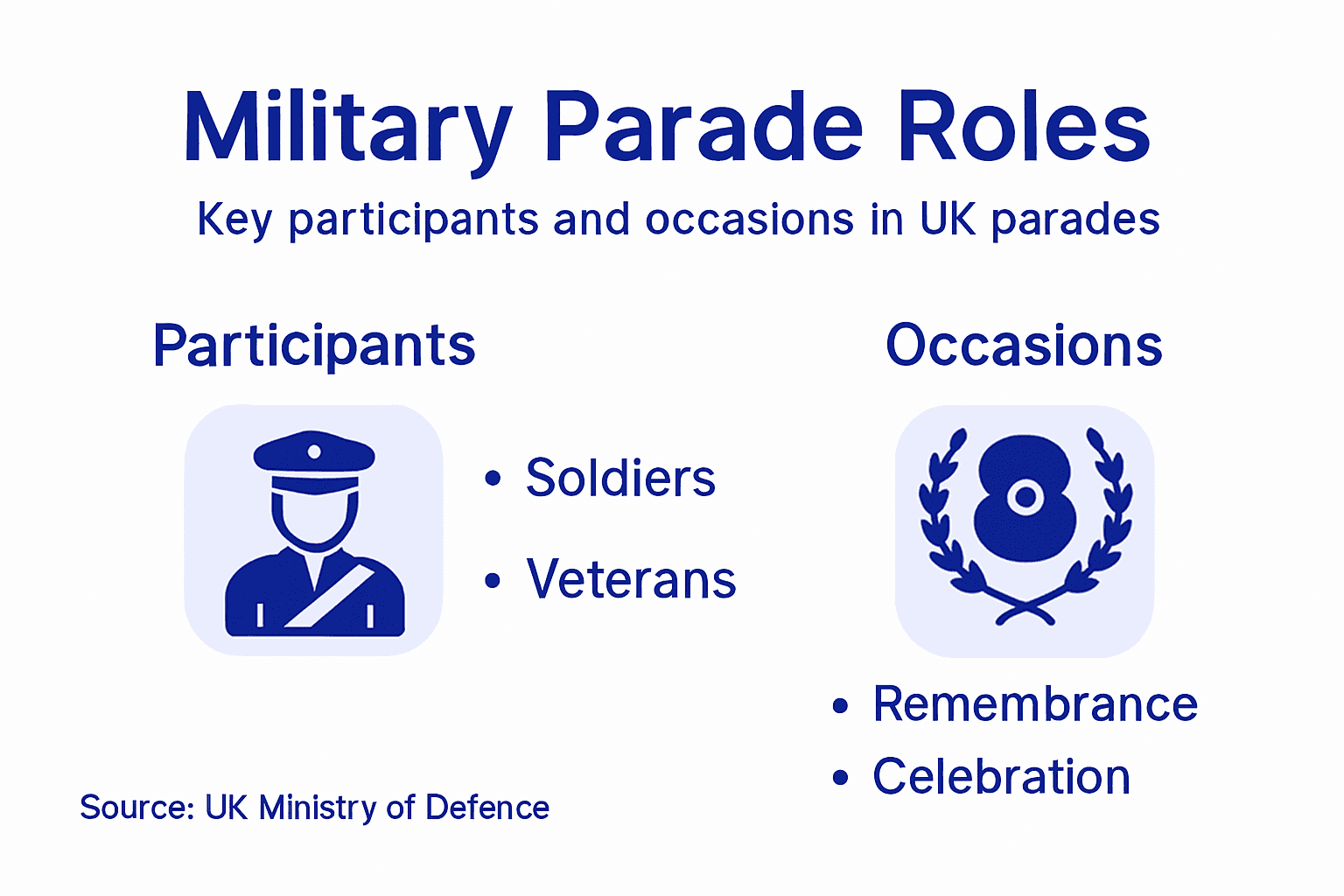
For British Army veterans and serving personnel, understanding a parade’s true purpose reveals why these events matter beyond the surface spectacle. Military parades serve multiple interconnected functions. They commemorate significant historical events and fallen service members, reinforcing collective memory within regiments and across the nation. They demonstrate loyalty to the Crown and the state, a tradition deeply embedded in British military culture. They showcase military capability and national strength to both domestic and international audiences. But perhaps most importantly for those in uniform, parades reinforce regimental pride and identity. When your regiment marches as one, when centuries of tradition visibly manifest in contemporary service, you’re part of something that transcends individual soldiers and connects to the broader military lineage. These events also serve to strengthen the vital connection between the military and the public, reminding civilians of the armed forces’ role in national life and breaking down barriers between service personnel and civilian society.
The ceremonial dimension carries particular weight. Structured public processions combine display of armed forces with cultural and social significance, creating opportunities for communities to gather around shared values and national identity. Whether honouring the Sovereign’s official birthday, commemorating military campaigns, or marking regimental anniversaries, parades connect historical tradition with present-day service. The visual presentation matters enormously, which is why proper presentation standards reflect the values underpinning every parade. Your bearing, your uniform condition, and your bearing communicate respect for the occasion, your comrades, and the public witnessing your service.
Pro tip: If you’re attending or participating in a military parade, familiarise yourself with the specific ceremonial protocol beforehand, as different regiments and occasions may vary slightly in their procedures and positioning requirements.
Key Types of Military Parades in the UK
Military parades in the United Kingdom take many forms, each with distinct purposes and ceremonial significance. The British military tradition encompasses several parade types that serve different commemorative, religious, and social functions. Understanding these variations helps you appreciate the specific meaning behind the parade you’re attending or in which you’re participating. Different military parade forms reflect varied historical, religious, and social purposes, ranging from solemn remembrance to vibrant community celebration.
Commemorativeparades represent perhaps the most widely recognised parade type. These honour significant historical battles, fallen soldiers, and important military anniversaries. The Armistice Day parades on 11 November, for instance, bring together veterans, serving personnel, and the public to remember those who died in conflict. Regimental parades also fall into this category, celebrating the founding dates and historical achievements of specific regiments. Church parades combine military discipline with religious observance, typically held during Easter or other significant religious occasions, and they reflect the deep spiritual traditions woven into British military culture. These parades often involve marching to a place of worship where service members participate in collective prayer and remembrance.
Beyond these traditional forms, the UK military parade spectrum includes arch and banner parades, social parades, and competitive band parades, each creating opportunities for different communities and traditions to express their identity and values. Social parades celebrate local community pride and often feature prominent displays of military regalia and ceremonial dress, which add visual richness and authenticity to the occasion. Band parades, whether competitive or celebratory, showcase the considerable talents of military musicians and bring colour and sound to public spaces. State occasions such as the Sovereign’s official birthday parade represent the pinnacle of military pageantry, involving hundreds of service members, mounted cavalry, and precision drill on an impressive scale. Each parade type operates under specific conduct protocols to maintain order and respect, ensuring that whatever the form, the parade achieves its intended purpose whether that’s remembrance, celebration, or ceremonial display.
Here’s a summary comparing the main types of military parades in the UK:
| Parade Type | Main Focus | Typical Participants | Key Occasions |
|---|---|---|---|
| Commemorative | Honouring history | Veterans, serving troops | Armistice Day, anniversaries |
| State/Ceremonial | National display | All service branches | Sovereign’s birthday, state visits |
| Religious/Church | Spiritual observance | Regiments, clergy | Easter, regimental services |
| Social/Band | Community celebration | Military musicians, public | Local festivals, competitions |
Pro tip: If you’re planning to attend a military parade, arrive early to secure a good viewing position, wear appropriate clothing for the weather, and bring a small Union Jack or regimental colours if you’re attending a commemorative event to show solidarity with veterans and serving personnel.
Traditional Roles, Structure, and Pageantry
A military parade operates like a finely choreographed performance where every person, position, and movement carries specific meaning. The structure begins with clear hierarchical roles that define who leads, who follows, and what each participant contributes to the overall effect. At the front, the parade commander sets the pace and direction, typically a senior officer responsible for the entire spectacle. Behind them march regimental officers in their designated positions, followed by enlisted ranks organised by unit and seniority. This defined structure ensures that hundreds of service members move as a unified entity rather than a collection of individuals. Each role matters because disruption at any level ripples through the entire parade, which is why training and discipline are non-negotiable.
The table below outlines the structure and roles found in traditional military parades:
| Position/Role | Primary Responsibility | Parade Position |
|---|---|---|
| Parade Commander | Sets pace and direction | Front |
| Regimental Officers | Lead and oversee units | Following commander |
| Enlisted Ranks | Execute drill and formation | Ordered by seniority |
| Marching Bands | Provide musical accompaniment | Flanking or rear |
The visual pageantry is where parades truly come alive. Traditional military parades feature defined structures including parade commanders, regimental officers, and enlisted ranks performing specific ceremonial roles. Ceremonial uniforms represent far more than attractive clothing. They symbolise regimental heritage, historical achievement, and the wearer’s commitment to service standards. Dress uniforms often include medals, insignia, and ceremonial details that tell a soldier’s story and connect individual service to regimental tradition. Marching bands provide the auditory backbone of any parade, setting rhythm and creating emotional resonance through music that ranges from martial standards to regimental marches. The synchronised movements of hundreds of soldiers stepping to the same beat, the precisely timed salutes, the controlled presentation of colours and regimental standards all contribute to an overwhelming visual and sensory experience. These ritualistic actions such as saluting and colour presentations are not mere theatrics. They’re expressions of discipline, respect, and institutional memory that bind service members to something larger than themselves.
Military parades embody distinctive pageantry through ceremonial uniforms, music, and drill precision, creating a public demonstration that transcends entertainment. The uniformity you see is intentional. When everyone wears identical dress, marches at identical pace, executes identical movements, it visually communicates order, professionalism, and collective purpose. For British Army veterans and current service members, participating in this pageantry connects you to generations of soldiers who’ve stood in these same positions wearing similar dress. The structure and roles ensure that everyone knows their place, understands their responsibility, and contributes to a cohesive whole that honours both the regiment’s past and the nation’s present.
Pro tip: If you’re preparing for a ceremonial parade, practise your marching pace beforehand to match standard 120 steps per minute, and ensure your dress uniform fits properly so you can move with confidence and maintain alignment with those around you.
Ceremonial Significance for Armed Forces
For those in uniform, a military parade represents far more than a public spectacle. It’s a moment when the armed forces collectively affirm their values, honour their heritage, and strengthen the bonds that hold regiments together. Military parades hold profound ceremonial significance as a visible affirmation of loyalty to the sovereign and the nation. When you march as part of a parade, you’re participating in a ritual that connects you to centuries of military tradition and to every soldier who has worn your regimental colours. This ceremonial function runs deeper than flags and uniforms. It’s about acknowledging sacrifice, celebrating shared identity, and publicly declaring that your regiment stands ready to serve.
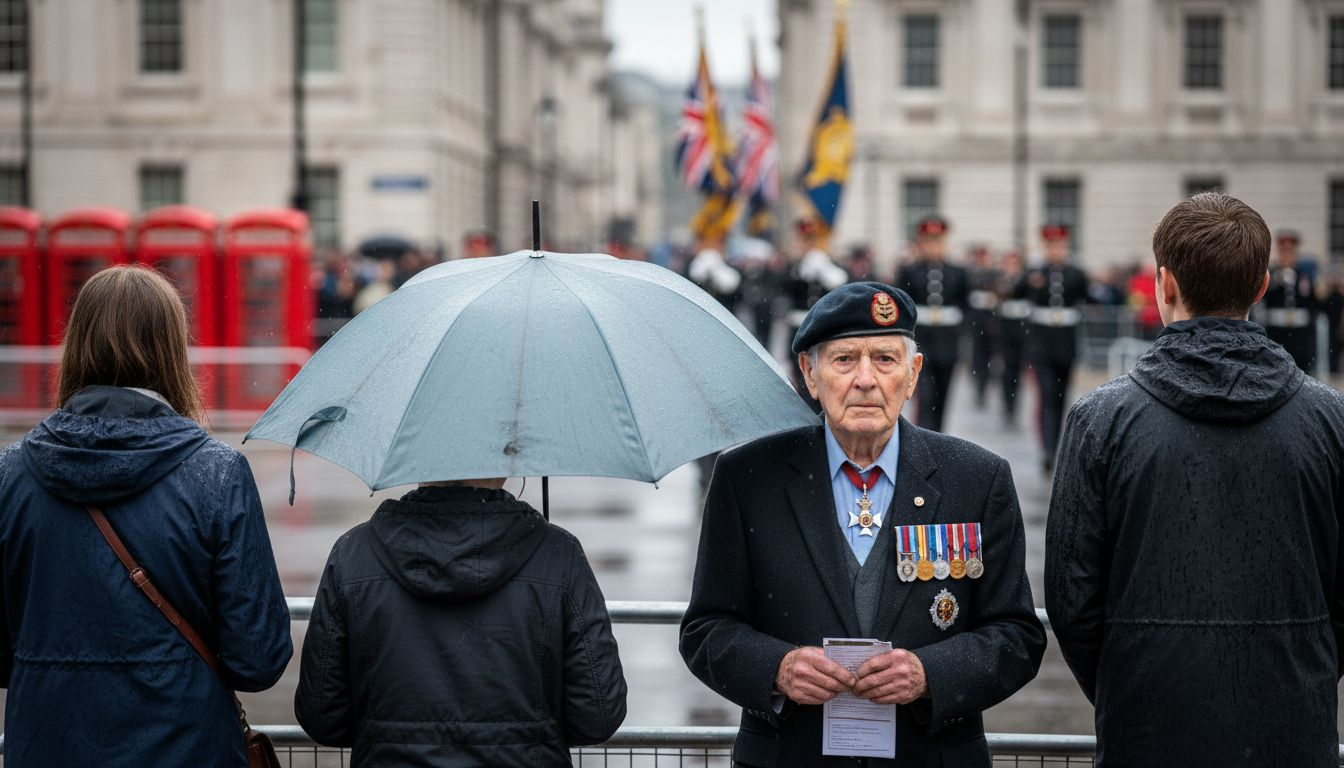
Within the armed forces, parades serve crucial psychological and institutional purposes. They celebrate military achievements that might otherwise pass unnoticed by the wider public. They provide formal occasions to honour fallen comrades whose names might otherwise fade from collective memory. Perhaps most importantly, parades reinforce the regimental bonds that sustain army morale and cohesion. When service members from the same unit march together, when they execute movements with perfect synchronisation, when they salute their fallen, something profound happens. The individual becomes part of something greater, and that connection matters immensely to morale, trust, and unit effectiveness. The traditions and protocols observed during ceremonies echo historical military values, creating continuity between past and present service. Young soldiers marching for the first time feel the weight of those who marched before them. Veteran soldiers marching again feel the strength of lineage and purpose.
Ceremonial parades serve as crucial occasions for the armed forces to express heritage, honour military history, and foster esprit de corps. Beyond the internal significance, parades also serve as a formal linkage between the armed forces, government, and the public. They symbolise political and communal identities, offering ritualised recognition of service to citizens who may never wear uniform themselves. When the public witnesses a parade, they see not just soldiers marching, but a physical manifestation of national defence capability and historical continuity. The ceremonies act as social and cultural markers, connecting the armed forces to larger community narratives and traditions. Consider how the history of armed forces gifts reflects symbolic traditions that parallel the ceremonial significance of parades themselves. Both serve to acknowledge service, commemorate achievement, and reinforce the deep cultural meaning of military duty.
Pro tip: If you’re participating in a ceremonial parade as a veteran or serving member, take a moment before the event to reflect on your personal connection to the occasion and your regimental history; this mental preparation deepens the ceremonial experience and enhances your bearing throughout the parade.
Parade Etiquette, Participation, and Common Misconceptions
If you’re attending or participating in a military parade, understanding the unwritten rules matters as much as the written ones. Parade etiquette is rooted in respect, discipline, and acknowledgement of the occasion’s significance. For those in uniform, etiquette at military parades is governed by strict protocols including proper wear of rank insignia and saluting commanding officers. Civilians attending should dress appropriately, avoid talking during solemn moments, and stand when the colours are presented. If you’re a veteran attending in uniform, wear your medals correctly and ensure your dress is immaculate. If you’re a family member of someone marching, arriving early shows respect for the occasion. These aren’t arbitrary rules designed to make things difficult. They exist because parades demand collective focus, and everyone’s behaviour contributes to the atmosphere of dignity and order that makes these events meaningful.
Participation structures vary depending on the parade type and your role. If you’re marching as a serving member, you’ll receive specific instructions about positioning, timing, and procedure well beforehand. Civilian participants or veterans may need to register in advance, especially for larger state occasions. Parade etiquette involves adherence to codes of conduct designed to ensure respect and order during public processions, with participation often requiring registration and compliance with legal guidelines. This framework exists to protect everyone’s experience and ensure the parade remains a dignified affair. The structured nature of participation, organised by rank and role for those in uniform, ensures that each person knows their duties and responsibilities. Stop. This clarity matters. When everyone understands their position and purpose, the parade flows with the precision that makes it visually striking and emotionally powerful.
Misconceptions about military parades often stem from limited exposure or outdated assumptions. One common myth suggests that parades are purely ceremonial with no contemporary relevance to modern service. This fundamentally misunderstands their ongoing importance for morale and unit cohesion. Another misconception views parades as sectarian or divisive displays, whereas most are peaceful expressions of cultural identity, community cohesion, and historical remembrance conducted under regulated frameworks. Parades are not relics of the past being performed out of obligation. They’re living traditions that adapt whilst honouring their roots. For British Army veterans and serving personnel, parades represent ongoing connection to your regiment, your comrades, and the values you’ve pledged to uphold. They’re occasions when the public sees what military discipline and pride actually look like, breaking down barriers between civilian and military life. Understanding this transforms how you experience a parade, whether you’re watching from the kerb or marching in formation.
Pro tip: If you’re planning to march in a parade, arrive at the assembly point at least 30 minutes early to allow time for final uniform checks, briefing on any last-minute changes, and mental preparation for the event.
Honour Tradition With Meaningful Military Gifts
Participating in or attending a military parade is a powerful way to connect with British military heritage and demonstrate regimental pride. To truly embody the discipline and ceremonial significance highlighted in the article “What Is a Military Parade and Why It Matters” you need presentation products that reflect these exacting standards. Whether you are a serving member, veteran, or supporter, the challenge is finding quality gifts and regalia that acknowledge the deep bonds, history, and values that military parades symbolise.
Discover a wide range of UK Military gifts and presentation products designed for those who understand the importance of ceremonial protocol, regimental identity, and loyalty to the Crown. Our curated collection at Regimental Store allows you to honour your service or show solidarity with veterans in a respectful and authentic way. Browse items tailored to British Army, Royal Navy, and RAF personnel that help keep tradition alive and visible every day. Visit our main site now and take your first step towards commemorating military values with the dignity they deserve.
Frequently Asked Questions
What is the purpose of a military parade?
Military parades serve multiple functions, including commemorating historical events, honouring fallen service members, showcasing military capability, reinforcing regimental pride, and strengthening connections between the military and the public.
What types of military parades exist?
Various types of military parades include commemorative parades (such as Armistice Day), state or ceremonial parades (for national displays), religious or church parades, and social or band parades, each having its own unique significance and purpose.
How is the structure of a military parade organised?
A military parade is structured with clear hierarchical roles including a parade commander who leads, followed by regimental officers and enlisted ranks. This organisation ensures disciplined coordination and a unified presentation of the armed forces.
Why do military parades hold ceremonial significance for armed forces members?
Military parades are significant as they reflect loyalty to the sovereign, honour military heritage, celebrate achievements, and reinforce bonds within regiments, connecting individual soldiers to a collective military identity and history.
Recommended
- Role of Presentation in Military: Complete Guide – The Regimental Store Ltd
- Why Collect Military Memorabilia: Purpose, Pride & Preservation – The Regimental Store Ltd
- Why Display Military Badges: Honouring Service in the UK – The Regimental Store Ltd
- Complete Guide to Military Memorabilia in the UK – The Regimental Store Ltd