
Role of Presentation in Military: Complete Guide
Over 200 years of tradition shape the way the British military honours its heroes and history. The meaning behind a military presentation is deeper than most people realise, blending ceremony with powerful symbolism. Understanding these formal rituals offers a window into how armies celebrate courage and reinforce unity. This guide breaks down the true purpose and impact of military presentations, revealing why each ceremony still matters today.
Table of Contents
- Definition Of Presentation In The Military
- Types Of Military Presentations And Awards
- Ceremonial Protocols And Traditions Explained
- Impact On Morale And Military Cohesion
- Mistakes To Avoid In Presentation Practices
Key Takeaways
| Point | Details |
|---|---|
| Ceremonial Significance | Military presentations are deeply rooted in tradition, serving not just to recognize achievements, but to reinforce unit cohesion, pride, and historical continuity. |
| Types of Recognitions | Military awards are categorized into combat-related decorations, achievement awards, long service awards, and regimental presentations, each integral to acknowledging service excellence. |
| Protocol Importance | Adhering to ceremonial protocols is crucial; precision in execution maintains respect for military traditions and enhances the event’s significance. |
| Impact on Morale | Presentations significantly boost morale by validating contributions and fostering a sense of belonging and motivation among service members. |
Definition Of Presentation In The Military
In the British military tradition, presentation holds profound ceremonial significance that goes far beyond a simple act of displaying or handing over something. According to Wikipedia, a military presentation is fundamentally “a formal ceremony where awards, honours, or colours are bestowed upon individuals or units to recognize achievements or commemorate events.”
Specifically within British regimental culture, presentations carry deep historical and symbolic weight. The Presentation of Colours, a time-honoured military ritual, exemplifies this tradition. As documented by Wikipedia, this ceremony marks significant milestones in a regiment’s history, representing a moment of profound institutional pride and historical continuity.
Military presentations serve multiple crucial purposes beyond mere ceremonial display. They function as powerful mechanisms for:
- Recognising individual and collective achievements
- Reinforcing unit cohesion and esprit de corps
- Maintaining historical traditions and regimental pride
- Symbolically transferring institutional memory and honour
These ceremonies are meticulously choreographed events that transform abstract concepts of service, sacrifice, and commitment into tangible, visible moments of institutional recognition. Whether presenting battle honours, commemorative flags, or individual awards, each presentation represents a carefully constructed narrative of military excellence and shared heritage.
Types Of Military Presentations And Awards
Military presentations and awards represent a sophisticated system of recognition that spans multiple categories, each with unique significance and protocols. According to Wikipedia, these awards can range from decorations like the Purple Heart, which is specifically awarded to service members “wounded or killed in action” and recommended through their chain of command.
Another significant category of military presentations includes achievement awards. As documented by Wikipedia, these decorations are granted for “outstanding achievement or meritorious service,” with each military branch typically maintaining its own distinct version of such recognition. These awards serve critical motivational and institutional purposes beyond mere symbolic gestures.
The primary types of military presentations and awards can be broadly categorised into several key groups:
-
Combat-Related Decorations
- Purple Heart
- Medal of Honour
- Bronze Star
- Silver Star
-
Service Achievement Awards
- Achievement Medal
- Commendation Medal
- Meritorious Service Medal
-
Long Service Awards
- Service Longevity Medals
- Deployment Commemorative Medals
-
Regimental Presentations
- Colours Presentation
- Unit Citations
- Honour Guidons
These presentations are far more than simple ceremonies. They represent a complex system of institutional recognition that acknowledges individual and collective military achievements, reinforces organisational values, and maintains historical continuity within military traditions. Each award carries its own intricate narrative of service, sacrifice, and exceptional performance.
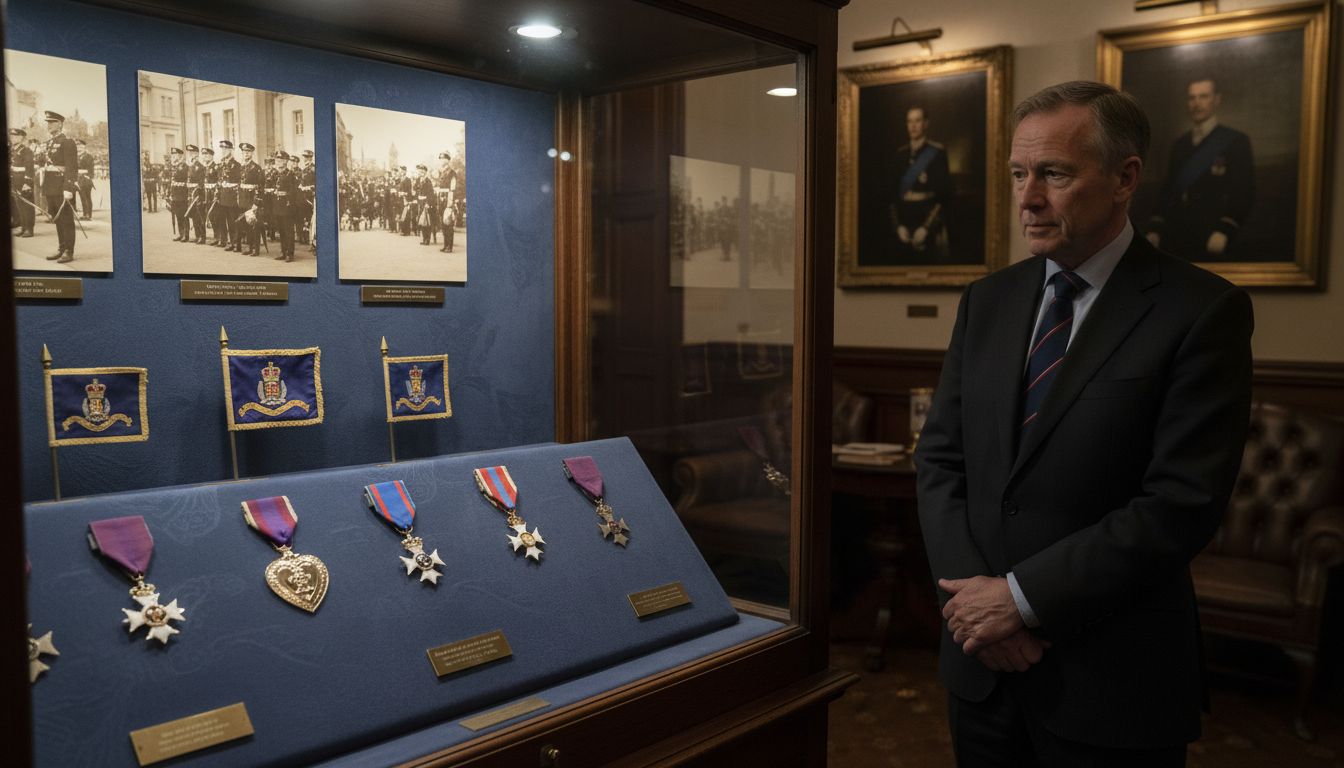
For those interested in understanding more about military memorabilia and recognition practices, our Complete Guide to Military Memorabilia in the UK offers additional insights into the rich traditions of military presentations.
Ceremonial Protocols And Traditions Explained
Military ceremonial protocols represent a sophisticated and meticulously structured system of traditions that honour institutional heritage and maintain organisational discipline. According to Wikipedia, the Presentation of Colours ceremony exemplifies these complex traditions, involving intricate arrangements including “a battalion-sized formation, a military band, and a reviewing officer” with precise procedural elements like royal salutes, formal inspections, and the symbolic blessing of regimental colours.
These ceremonial traditions are not merely aesthetic performances but serve profound institutional purposes. They communicate hierarchy, reinforce collective identity, and preserve historical continuity. Each movement, gesture, and ritual carries deep symbolic significance, representing generations of military service and shared professional values.
Key elements of military ceremonial protocols typically include:
-
Formal Positioning
- Precise formation arrangements
- Hierarchical positioning of personnel
- Specific distance and alignment standards
-
Salutation Procedures
- Royal salutes
- Officer acknowledgements
- Standardised greeting protocols
-
Symbolic Rituals
- Colour presentation ceremonies
- Honour guard traditions
- Medal and award presentations
As documented by Bowling Green State University, military ceremonies involving civilian participation follow carefully prescribed protocols for presenting awards, receiving honours, and conducting official recognitions. These protocols ensure that each ceremony maintains dignity, respect, and institutional gravitas.
For enthusiasts interested in deeper exploration of military traditions, our Complete Guide to Military Memorabilia in the UK provides additional insights into the rich cultural landscape of military ceremonial practices.
Impact On Morale And Military Cohesion
Military presentations and awards play a transformative role in shaping unit dynamics and individual psychological resilience. According to Wikipedia, ceremonies like the Presentation of Colours serve as powerful “rallying points for troops,” symbolically reinforcing unit identity and fostering an profound sense of collective pride and cohesion among service members.
Recognition mechanisms such as awards directly impact military morale by validating individual sacrifices and achievements. As highlighted by Wikipedia, decorations like the Purple Heart are more than symbolic gestures - they fundamentally “recognize the sacrifices of service members” and actively “reinforce the values of courage and dedication” within the broader military community.
The psychological impact of military presentations can be categorised into several critical dimensions:
-
Emotional Validation
- Acknowledging individual contributions
- Recognising personal sacrifices
- Providing public affirmation
-
Collective Identity
- Strengthening unit bonds
- Reinforcing shared values
- Creating historical continuity
-
Motivational Dynamics
- Inspiring future performance
- Setting behavioural benchmarks
- Demonstrating institutional appreciation
These presentations transcend mere ceremonial rituals. They are sophisticated psychological tools that communicate institutional values, reward exceptional service, and maintain the intricate social fabric of military organisations.
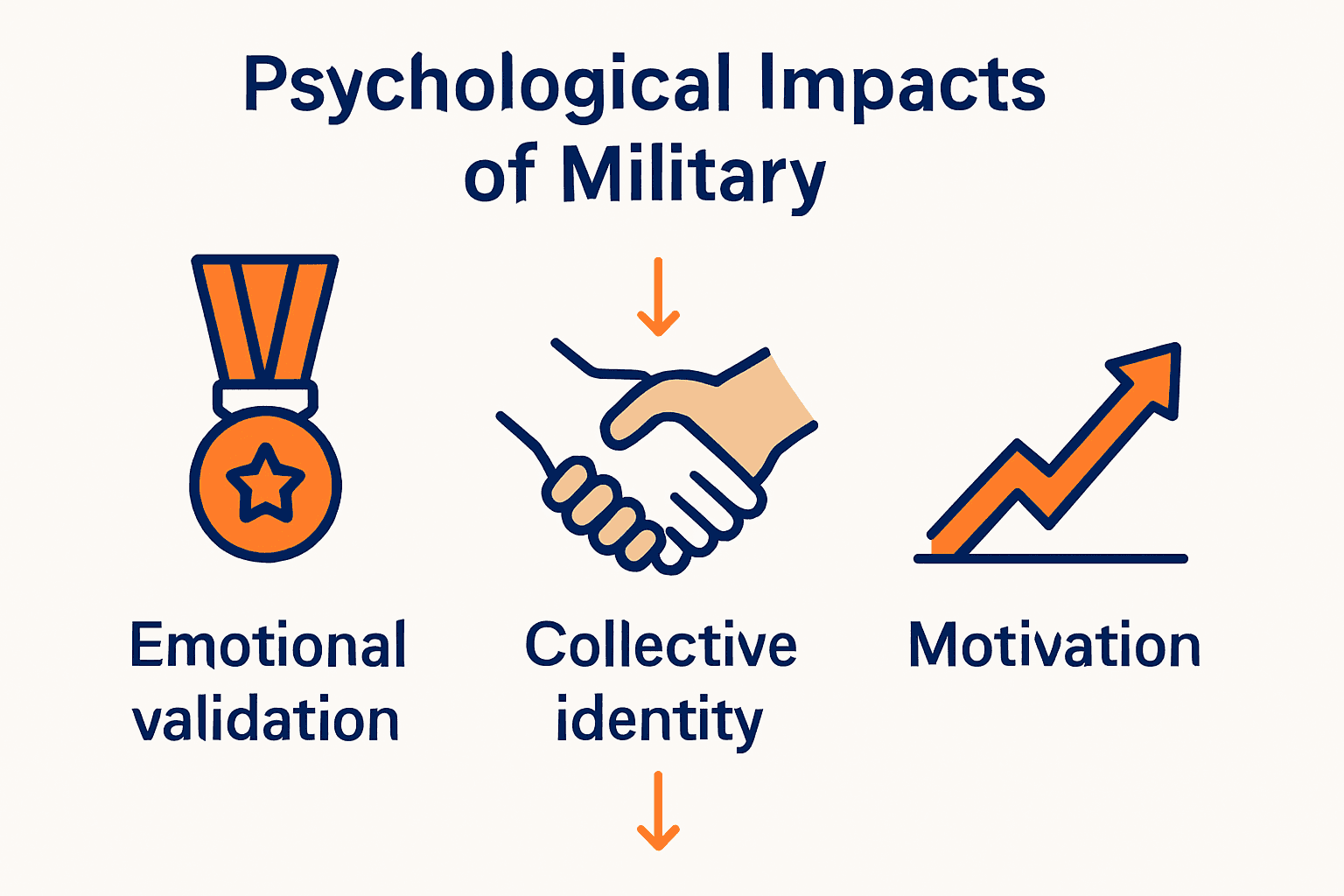 By publicly recognising individual and collective achievements, these ceremonies create powerful narratives of heroism, commitment, and shared purpose.
For those interested in exploring the deeper cultural significance of military recognition, our Complete Guide to Military Memorabilia in the UK offers comprehensive insights into these rich traditions.
Mistakes To Avoid In Presentation Practices
Military presentations demand precision and professionalism, with even minor errors potentially undermining the entire ceremonial significance. As documented by Fort Benning, effective military presentations require “clear organization, appropriate visual aids, and thorough preparation” to circumvent common pitfalls that could compromise the event’s integrity.
The most critical mistakes in military presentation practices often stem from inadequate preparation, lack of attention to detail, and failure to understand the deeper symbolic meaning of the ceremony. These errors can range from technical mishaps to fundamental breaches of protocol that disrespect the institution’s traditions and the individuals being recognized.
Key mistakes to vigilantly avoid include:
-
Preparation Failures
- Insufficient rehearsal
- Lack of comprehensive planning
- Inadequate understanding of ceremonial protocols
-
Technical Errors
- Poorly designed visual aids
- Distracting presentation elements
- Inappropriate timing or pacing
-
Protocol Breaches
- Incorrect uniform presentation
- Improper handling of colours or awards
- Disrespectful body language or positioning
The consequences of these mistakes extend beyond the immediate ceremony. They can potentially undermine unit morale, diminish the perceived value of the recognition, and create lasting negative impressions within the military community. Each presentation is a delicate balance of tradition, respect, and institutional pride.
For those seeking to deepen their understanding of military ceremonial practices, our Complete Guide to Military Memorabilia in the UK offers comprehensive insights into the nuanced world of military presentations.
Honour Tradition With Perfect Presentation Gifts
Understanding the deep significance of military presentations and the role they play in recognising sacrifice and fostering unit pride can make a profound difference when choosing the right commemorative gifts. Whether you are celebrating a veteran’s service or marking a special regimental occasion, it is vital to select items that truly reflect the honour and history symbolised by awards such as the Presentation of Colours or the Purple Heart.
Explore the exceptional selection available at Regimental Store where every piece is crafted to uphold the values and traditions highlighted in the “Role of Presentation in Military”. Don’t miss the chance to give meaningful recognition that boosts morale and cements lasting memories. Start your search now at UK Military gifts and presentation products for all serving and veterans and discover why quality and respect matter in every presentation.
Frequently Asked Questions
What is the significance of military presentations?
Military presentations serve as formal ceremonies that recognize achievements, reinforce unit cohesion, maintain historical traditions, and symbolize institutional pride within the military.
What are some common types of military awards and presentations?
Common types of military awards and presentations include combat-related decorations like the Purple Heart, service achievement awards, long service awards, and regimental presentations such as Colours Presentation and unit citations.
How do military presentations impact morale and cohesion within units?
Military presentations positively impact morale and cohesion by recognizing individual contributions, strengthening unit identity, and motivating service members through public affirmation of their achievements.
What mistakes should be avoided during military presentations?
Mistakes to avoid during military presentations include inadequate preparation, technical errors like poorly designed visual aids, and breaches of protocol such as incorrect uniform presentation or disrespectful body language.
Recommended
- Complete Guide to the Role of Gifts in the Military – The Regimental Store Ltd
- Military Gifts: Everything You Need to Know – The Regimental Store Ltd
- Military Gifts Eligibility: Complete Guide for the UK – The Regimental Store Ltd
- How to Choose Military Gifts for UK Veterans and Serving Members – The Regimental Store Ltd