
Regimental System Explained: Heritage and Daily Impact
A single regiment in the British Army can trace its identity through centuries of battlefield history, blending deep tradition with modern purpose. For many serving and veteran soldiers in the United Kingdom, the regimental system is far more than just military structure. It forms the core of pride and belonging, with over 90 percent of British soldiers reporting a strong connection to their regiment’s unique heritage. Discover how these enduring customs shape loyalty, identity, and the bonds between brothers and sisters in arms.
Table of Contents
- Regimental System Basics And Historical Roots
- Distinctive Regimental Types And Traditions
- How Regiments Are Structured And Operate
- Roles, Identity, And Social Bonds In Units
- Key Challenges And Modern Adaptations
Key Takeaways
| Point | Details |
|---|---|
| Regimental System Heritage | The British Army’s Regimental System has deep historical roots that foster strong personal and social connections among soldiers. |
| Types of Regiments | Different regimental types such as Line Infantry, Guards, Cavalry, and Specialist units each play significant roles and maintain unique traditions. |
| Organisational Structure | A layered hierarchy from platoon to regiment ensures operational efficiency while preserving regimental identities. |
| Modern Challenges | The regimental system faces challenges like technological integration and diversity in recruitment while adapting to contemporary military needs. |
Regimental System Basics And Historical Roots
The Regimental System emerged as a fundamental organisational structure within the British Army, tracing its origins back to the tumultuous period of the English Civil War. According to research from the National Army Museum, this system developed as a critical administrative mechanism that went far beyond mere military organisation, embedding deep cultural and historical significance into military structure.
During the 17th century, regimental formations began transforming from temporary combat units into permanent military establishments with distinct identities. The Art of War Papers reveal that these early regiments were not just fighting units, but intricate social ecosystems with their own traditions, honour codes, and internal hierarchies. Each regiment developed a unique cultural identity, often linked to specific geographical regions, recruiting grounds, or historical battle honours.
The system’s strength lies in its ability to foster deep psychological bonds between soldiers. By creating a sense of belonging and shared heritage, regiments transformed military service from a mere professional occupation into a profound familial experience. Soldiers identified not just with the broader British Army, but specifically with their regiment’s colours, cap badge, and historical narrative. This emotional connection enhanced unit cohesion, loyalty, and combat effectiveness in ways that more impersonal military structures could never achieve.
Pro Tip: Understand Your Regiment’s Story: Take time to research your regiment’s unique history, battle honours, and traditions to fully appreciate the rich heritage that defines your military identity.
Distinctive Regimental Types And Traditions
The British Army’s regimental system encompasses a rich tapestry of distinctive unit types, each with unique characteristics and historical significance. Light infantry regiments like The Rifles represent a modern evolution of military organisation, demonstrating how traditional structures continue to adapt and remain relevant in contemporary military contexts.
Traditionally, British regiments can be categorised into several key types, each serving specific strategic and cultural purposes:
- Line Infantry Regiments: Standard infantry units forming the backbone of military operations
- Guards Regiments: Elite units with ceremonial and operational responsibilities
- Cavalry Regiments: Historically mounted units, now mechanised and armoured
- Specialist Regiments: Units with unique operational capabilities like parachute or reconnaissance roles
Each regimental type develops its own intricate traditions, from distinctive uniforms and cap badges to unique ceremonial practices and internal rituals. These traditions are not mere historical relics but living practices that forge strong bonds between soldiers, creating a sense of identity and continuity that transcends individual service periods.
The regimental system’s strength lies in its ability to blend historical heritage with contemporary military effectiveness. Modern regiments maintain their historical connections while adapting to changing technological and strategic landscapes, ensuring that the deep cultural roots remain vibrant and meaningful.
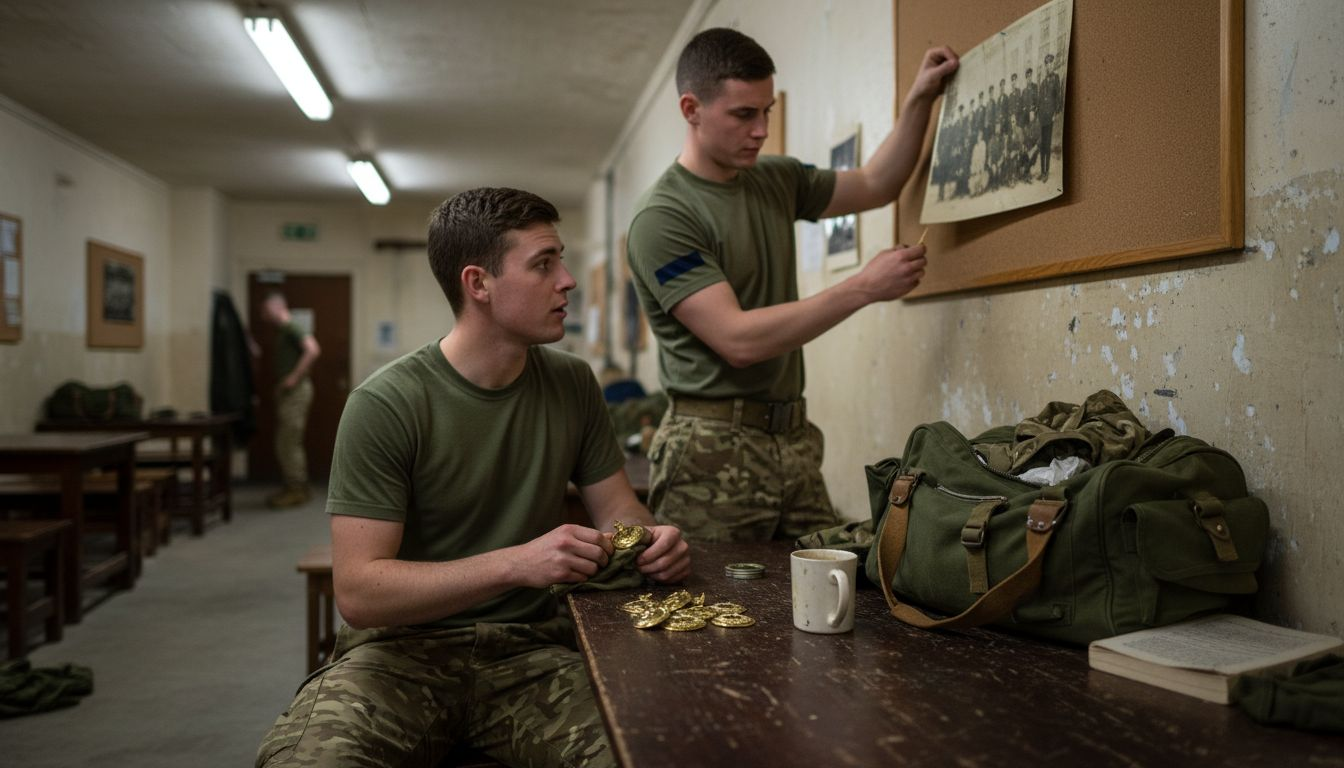
Pro Tip: Explore Your Regiment’s Heritage: Engage with veteran associations, museum archives, and regimental histories to understand the unique story and traditions that define your military unit’s distinctive character.
The following table compares the main regimental types in the British Army and highlights their modern significance:
| Regimental Type | Historical Role | Modern Adaptation | Key Distinguishing Feature |
|---|---|---|---|
| Line Infantry | Core battlefield formation | Mechanised/mobile infantry | Forms operational backbone of ground forces |
| Guards | Elite ceremonial protection | Ceremony & rapid deployment | Distinctive uniforms, royal duties |
| Cavalry | Mounted manoeuvre force | Armoured/mechanised units | Reconnaissance and high mobility |
| Specialist | Niche combat functions | Parachute, intelligence, etc. | Expertise in unconventional or specialised roles |
How Regiments Are Structured And Operate
The organisational structure of British Army regiments represents a sophisticated hierarchical system designed to ensure operational efficiency and maintain strong unit cohesion. At its core, the regimental structure comprises multiple layers, ranging from the smallest tactical units to larger strategic formations.
The typical regimental hierarchy is organised as follows:
- Platoon: Approximately 30 soldiers, the fundamental operational unit
- Company: Usually comprising 3-4 platoons (around 120 personnel)
- Battalion: Consisting of multiple companies (typically 500-800 soldiers)
- Regiment: Comprised of one or multiple battalions with shared historical heritage
Each level serves distinct strategic and tactical purposes, with commanders responsible for maintaining discipline, operational readiness, and preserving the regiment’s unique traditions. According to detailed personnel organisation research, these structures enable flexible deployment and specialised mission capabilities across different operational environments.
Modern regiments maintain flexibility by adapting their organisational structure to contemporary military requirements. This might involve cross-training, specialised units, or restructuring to address emerging strategic challenges. The ability to balance traditional regimental identity with operational adaptability remains a hallmark of the British Army’s organisational approach.
Pro Tip: Understanding Your Unit: Learn the specific structure and chain of command within your regiment to enhance your operational effectiveness and professional development.
Roles, Identity, And Social Bonds In Units
The regimental system’s profound psychological impact transcends traditional military organisation, creating deep emotional connections that transform military service from a mere profession into a familial experience. Each soldier becomes part of a living, breathing historical narrative that extends far beyond individual service periods.
The unique identity of each regiment is maintained through several critical mechanisms:
- Shared Heritage: Collective historical achievements and battle honours
- Distinctive Uniforms: Specialised dress that signifies unit membership
- Ceremonial Traditions: Rituals that reinforce unit pride and continuity
- Internal Language: Specific terminology and communication styles unique to each unit
According to the British Army’s official documentation, these social bonds are not merely symbolic but form the fundamental psychological support system that enables soldiers to perform effectively under extreme conditions. The sense of belonging creates an intrinsic motivation that goes beyond formal military discipline.
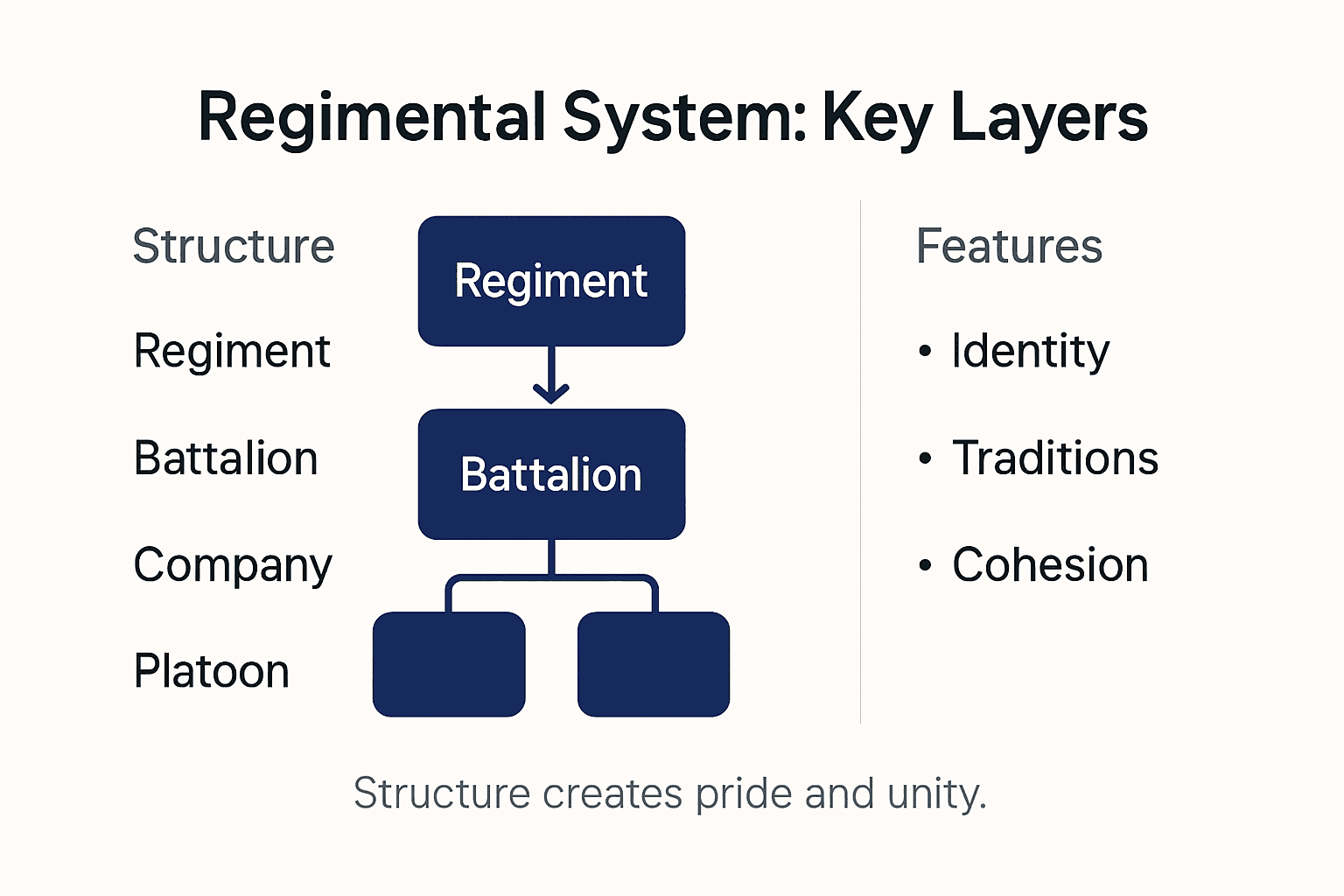
Regimental identity serves as a powerful mechanism for psychological resilience. Soldiers draw strength from their unit’s historical achievements, creating a continuous narrative of courage and commitment that connects current members with generations of predecessors. This deep-rooted connection provides emotional stability and a sense of purpose that extends well beyond individual military careers.
Pro Tip: Personal Connection: Invest time in understanding your regiment’s unique history and traditions to truly appreciate and strengthen your connection to your military family.
Here is an overview of key factors shaping regimental identity and cohesion:
| Factor | Impact on Soldiers | Example in Practice |
|---|---|---|
| Shared Heritage | Strengthens loyalty and pride | Commemorating historic battle honours |
| Distinctive Uniforms | Creates visible unit identity | Unique cap badges per regiment |
| Ceremonial Traditions | Reinforces camaraderie and ritual | Annual regimental celebrations |
| Internal Language | Enhances sense of belonging | Regiment-specific terms and slang |
Key Challenges And Modern Adaptations
Recent parliamentary research highlights the complex challenges facing the British Army’s regimental system, as traditional structures must now balance historical heritage with rapid technological and operational transformations. The contemporary military landscape demands unprecedented flexibility and adaptability from regimental organisations.
Key challenges confronting the modern regimental system include:
- Technological Integration: Incorporating digital warfare capabilities
- Recruitment Diversity: Attracting talent from varied backgrounds
- Operational Complexity: Responding to asymmetric global threats
- Resource Constraints: Maintaining capabilities with limited funding
The British Army’s official documentation demonstrates how modern regiments are adapting through strategic restructuring. This involves developing more agile unit compositions, cross-training personnel, and implementing advanced technological training programmes that enhance operational readiness while preserving core regimental traditions.
The fundamental challenge lies in maintaining the deep cultural identity that has historically defined the regimental system while simultaneously evolving to meet contemporary military requirements. Successful adaptation means creating a dynamic organisational model that respects historical legacy while embracing innovation, ensuring that the emotional bonds and psychological strengths of the regimental system remain intact.
Pro Tip: Professional Adaptation: Stay informed about technological and strategic developments in your regiment, and proactively seek opportunities for cross-training and skill diversification.
Honour Your Regiment’s Rich Heritage with Authentic Gifts
The article highlights how the British Army’s regimental system builds deep psychological bonds through shared history and unique traditions. If you want to celebrate this powerful identity and keep these connections alive, exploring specially crafted items that reflect your regiment’s story is essential. Whether you serve or are a veteran, finding personalised presents that embody your regiment’s pride can strengthen your sense of belonging and honour your unit’s legacy.
Discover authentic gifts for all British Army infantry regiments in our collection.
Start your journey today by visiting the British Infantry Regiments Gifts and Personalised Presentations to find meaningful keepsakes. Explore further regimental memorabilia and ceremonial items at the MOD Guards collection. For a wider range of UK military gifts that celebrate your service and heritage, browse the full selection at The Regimental Store Ltd. Act now to connect deeply with your regiment’s enduring spirit.
Frequently Asked Questions
What is the Regimental System in the British Army?
The Regimental System is an organisational structure within the British Army that fosters a deep sense of identity, tradition, and camaraderie among soldiers. It has its roots in the English Civil War and has evolved to integrate both historical heritage and modern military effectiveness.
How do regiments build emotional bonds among soldiers?
Regiments create emotional bonds through shared heritage, distinctive uniforms, and ceremonial traditions. These elements foster a sense of belonging and pride, turning military service into a familial experience rather than a mere job.
What are the different types of regiments in the British Army?
The British Army features several types of regiments, including Line Infantry, Guards, Cavalry, and Specialist regiments. Each type has distinct roles, traditions, and operational capabilities, tailored to meet various strategic needs.
How has the Regimental System adapted to modern military challenges?
The Regimental System has adapted by incorporating technological advancements, embracing diverse recruitment strategies, and restructuring for operational flexibility. This ensures that traditional values are maintained while effectively responding to contemporary global threats.