
History of Armed Forces Gifts – Symbolism in Service
Every british soldier knows that a simple gift can carry meaning far beyond its physical form. Powerful gestures like the Princess Mary Christmas gift box in 1914 united thousands of British Empire troops, showing how symbolic items strengthen morale and connection. Military gifts are not just souvenirs. They speak to shared sacrifice, honour, and tradition. This look at british armed forces gifting uncovers their deep cultural roots and explains how these cherished items continue to influence both serving members and veterans today.
Table of Contents
- Origins And Significance Of Forces Gifts
- Traditional British Military Gift Types
- Symbolism And Ceremonial Practices
- Legal And Ethical Rules For Gift Giving
- Contemporary Gift Trends And Veteran Support
Key Takeaways
| Point | Details |
|---|---|
| Cultural Significance of Military Gifts | Military gifts embody honour, camaraderie, and service recognition within armed forces traditions, fostering deep connections among personnel. |
| Symbolism in Ceremonial Practices | Gift-giving ceremonies in the military express national heritage and individual achievement, reinforcing unit pride and collective identity. |
| Legal and Ethical Considerations | Military gift protocols ensure integrity and professionalism, with strict regulations governing the acceptance and exchange of gifts within service members. |
| Evolution of Contemporary Gifts | Modern military gifts increasingly support veterans through personalised and meaningful items that enhance emotional connections and unit cohesion. |
Origins and Significance of Forces Gifts
Military gifts have deep historical roots extending far beyond simple tokens of appreciation. These symbolic exchanges represent profound connections between service members, highlighting honour, respect, and shared experiences within armed forces traditions. During World War I, a remarkable example emerged that perfectly illustrates this cultural significance: the Princess Mary Christmas gift box, a brass tin distributed to British Empire soldiers in 1914 that became a powerful symbol of national unity and morale.
The practice of exchanging military gifts transcends mere material objects. These presents carry intricate meanings rooted in camaraderie, recognition of service, and preservation of regimental pride. From challenge coins commemorating specific units to carefully crafted presentation items, each gift tells a story of sacrifice, teamwork, and shared heritage. Units and individual soldiers often develop unique traditions around these exchanges, creating lasting memories that reinforce bonds forged through challenging military experiences.
Understanding the nuanced symbolism of military gifts reveals complex social dynamics within armed forces culture. Military gifts represent more than physical objects – they are tangible representations of respect, achievement, and collective identity. Whether marking significant milestones, recognising extraordinary service, or maintaining connections between serving and veteran personnel, these gifts serve as powerful communication tools that transcend traditional recognition methods. They create lasting connections that honour individual contributions while simultaneously reinforcing the broader narrative of military service and national defence.
Traditional British Military Gift Types
Traditional British military gifts encompass a rich tapestry of ceremonial and commemorative objects that reflect deep-rooted traditions of honour and respect. Historically, these gifts have ranged from intricate symbolic items to practical tokens of recognition. Intriguingly, the concept of prestigious gifts is not unique to British military culture – for instance, papal traditions included presenting blessed swords and ceremonial hats to monarchs as symbols of recognition and alliance.
The British military gift culture includes several distinctive categories of presentation items. Challenge coins remain a quintessential military gift, representing unit pride and camaraderie. Regimental silverware, such as engraved tankards, commemorative plates, and intricate regimental crests, serve as enduring symbols of military service and unit history. These items are often presented during significant milestones like promotions, retirements, or after completing challenging deployments, embodying the deep bonds formed within military units.
Military gifts in the British armed forces extend beyond mere physical objects. Presentation items like engraved weapons, personalised plaques, and unit-specific memorabilia represent a complex system of recognition that transcends traditional reward mechanisms. Each gift tells a unique story of service, sacrifice, and collective identity. From the Royal Navy’s maritime-themed presentations to the British Army’s regimental traditions and the Royal Air Force’s aviation-related commemorative items, these gifts capture the essence of military service and the profound connections between service members.

Symbolism and Ceremonial Practices
Symbolism plays a pivotal role in British military culture, with ceremonial practices serving as powerful expressions of national heritage and collective memory. Remembrance poppies exemplify this profound symbolic tradition, representing a deeply emotional connection to military sacrifice and national commemoration. Distributed by volunteers across England, Wales, and Northern Ireland, these small red flowers encapsulate a complex narrative of honour, remembrance, and collective grief.
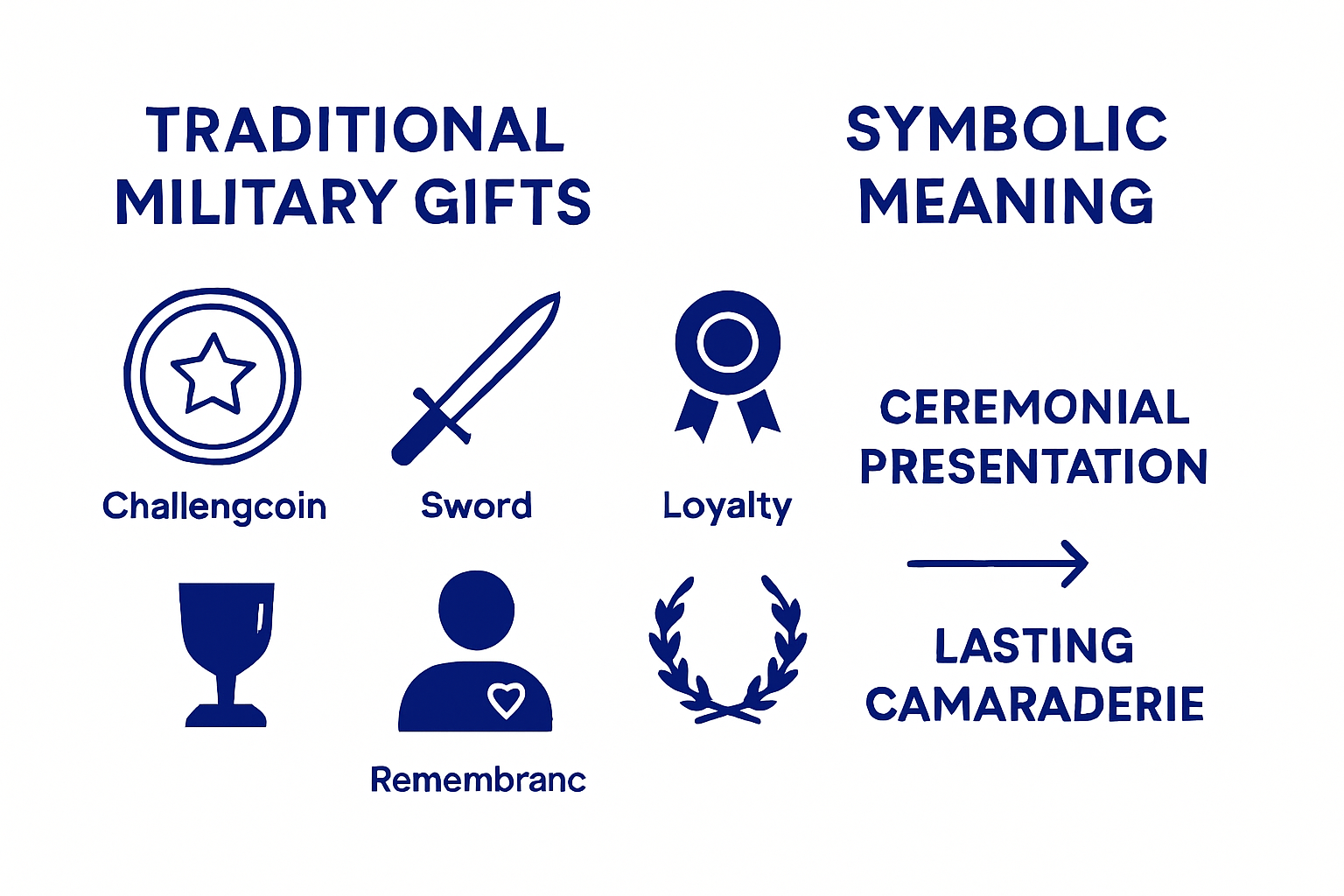
Ceremonial gift-giving in the British military is a nuanced art form that transcends simple material exchange. Symbolic presentations carry intricate layers of meaning, representing unit pride, individual achievement, and shared experiences. Military gift exchanges often involve carefully selected items that reflect specific regimental histories, personal achievements, or significant military milestones. These ceremonies are meticulously choreographed events that reinforce hierarchical structures while simultaneously celebrating individual and collective contributions.
The depth of symbolism extends beyond physical objects to incorporate complex ritualistic practices. Military ceremonies involve precise protocols, where each gesture, presentation, and gift carries significant historical and emotional weight. From the careful selection of presentation items to the manner of their bestowal, these practices communicate respect, continuity, and the profound bonds that unite service members. Whether marking retirement, recognising exceptional service, or commemorating fallen comrades, these ceremonial practices represent a living tradition that connects past, present, and future generations of military personnel.
Legal and Ethical Rules for Gift Giving
Gift-giving within military environments operates under a complex framework of legal and ethical considerations that extend far beyond simple social exchanges. Military gift protocols carefully navigate intricate boundaries to maintain organisational integrity, prevent potential conflicts of interest, and preserve the fundamental principles of professional conduct. These guidelines are designed to ensure that gifts do not compromise operational effectiveness, create undue influence, or breach established military codes of honour.
The ethical landscape of military gift exchanges involves multiple critical dimensions. Gifts must not only comply with official regulations but also reflect the core values of mutual respect, professional integrity, and unit cohesion. Senior officers and commanding personnel are typically subject to more stringent restrictions, with clear guidelines prohibiting gifts that could be perceived as inducements or attempts to gain preferential treatment. The monetary value of gifts is often strictly regulated, with maximum thresholds established to prevent potential ethical breaches and maintain transparent professional relationships.
Practical implementation of these rules requires nuanced understanding and consistent application across different military contexts. Gifts between service members are typically permitted within reasonable limits, focusing on commemorative and symbolic exchanges that celebrate achievements, mark significant milestones, or recognise exceptional service. However, external gifts from contractors, suppliers, or individuals with potential business interests are subject to much more rigorous scrutiny. The overarching principle remains consistent: maintaining the highest standards of professional conduct, preventing any perception of impropriety, and preserving the fundamental trust that underpins military institutional integrity.
Contemporary Gift Trends and Veteran Support
Contemporary military gift-giving has evolved into a sophisticated means of supporting veterans and acknowledging their profound service. Meaningful commemorative gifts now encompass intricate considerations of military background, symbolism, and personalisation, transforming traditional memorabilia into powerful emotional connections. These gifts range from meticulously crafted bronze statues and engraved military sabres to personalised plaques that capture individual service narratives and collective sacrifices.
The veteran support ecosystem has increasingly recognised the psychological and emotional significance of thoughtful gift-giving. Veteran reunion gifts play a crucial role in maintaining unit cohesion and supporting mental health by creating tangible connections to shared experiences. Modern military gift trends emphasise personalisation, with items often featuring unit insignia, service dates, or individual achievements that honour specific military journeys while fostering a sense of continued belonging and recognition.
Beyond material objects, contemporary gift trends reflect a holistic approach to veteran support. These gifts are not merely tokens but powerful communication tools that bridge civilian and military worlds, helping to translate complex service experiences into meaningful representations. From digital commemorative platforms to carefully curated physical mementoes, the emerging landscape of military gifts demonstrates a nuanced understanding of veterans’ unique emotional landscapes, celebrating individual stories while acknowledging collective sacrifices.
Discover Meaningful Military Gifts That Honour Service and Tradition
The rich history and deep symbolism behind armed forces gifts demonstrate how powerful a well-chosen presentation can be in expressing respect, recognising achievement and preserving regimental pride. If you are seeking the perfect way to commemorate service or celebrate a special milestone, explore our carefully curated collection of Gifts and Personalised Presentation for Veteran and serving UK Army that capture these enduring values.
Act now to honour the proud heritage and personal stories of bravery with gifts that truly resonate. Browse our Featured Gift Ideas to find unique keepsakes crafted to reflect the dignity and camaraderie of military life. Visit The Regimental Store today and find presentation products that embody honour, respect and collective identity.
Frequently Asked Questions
What is the significance of military gifts in the armed forces?
Military gifts represent profound connections between service members, symbolising honour, respect, and shared experiences. They serve not just as tokens of appreciation but as tangible representations of collective identity and military camaraderie.
What types of traditional military gifts are commonly exchanged?
Traditional military gifts often include challenge coins, engraved silverware, commemorative items, and personalised plaques, each with unique meanings tied to regimental histories and individual achievements.
How do ceremonial practices enhance the symbolism of military gifts?
Ceremonial practices enhance the symbolism of military gifts through carefully selected presentations that reflect unit pride and individual achievements, reinforcing the bonds between service members and commemorating significant milestones.
What are the ethical considerations surrounding military gift-giving?
Ethical considerations in military gift-giving include compliance with regulations, maintaining professional integrity, and preventing potential conflicts of interest, especially for senior officers who face stricter guidelines on the acceptance of gifts.
Recommended
- Military Gifts Symbolism: Complete Guide for UK Audience – The Regimental Store Ltd
- Military Gifts: Everything You Need to Know – The Regimental Store Ltd
- Why Do Armies Give Gifts? Complete Guide for 2025 – The Regimental Store Ltd
- Why Armed Forces Exchange Gifts – Traditions and Meaning – The Regimental Store Ltd