
Why Armed Forces Exchange Gifts – Traditions and Meaning
Most people are surprised to learn how strict the protocols around British military gift exchanges truly are. Far from being just a ceremonial gesture, these exchanges play a crucial role in diplomatic relationships and morale among armed forces worldwide. In fact, British military traditions demand precise etiquette that sets these gift exchanges apart from civilian customs. This guide helps you understand the deeper meaning and rules behind one of the most respected traditions in British armed service culture.
Table of Contents
- Armed Forces Gift Exchanges Explained
- Types Of Military Gifts And Occasions
- Symbolism And Tradition In Military Gifts
- Etiquette, Protocol, And Legal Guidance
- Gift Exchanges Versus Civilian Customs
Key Takeaways
| Point | Details |
|---|---|
| Purpose of Military Gift Exchanges | Military gifts are essential for building diplomatic relationships and enhancing morale among units, serving as symbols of respect and unity. |
| Guidelines for Gift Exchanges | The UK Ministry of Defence outlines strict protocols for gift exchanges, including types of acceptable items and prohibitions to maintain professional integrity. |
| Cultural Significance | Military gifts carry deep cultural meanings, serving as conduits for institutional memory and emotional connections among service members. |
| Differences from Civilian Customs | Unlike informal civilian gift-giving, military exchanges are regulated and purposeful, reflecting the unique contexts of armed forces. |
Armed forces gift exchanges explained
Military gift exchanges represent a profound tradition of respect, camaraderie, and diplomatic communication across armed services worldwide. These symbolic interactions transcend mere material transactions, embodying deep cultural significance within military protocols.
The United Kingdom’s Ministry of Defence provides explicit guidance on official gift exchanges, emphasising that such gestures should appropriately reflect the Department of State and serve as lasting commemorative reminders. These exchanges often represent more than simple presents; they are intricate mechanisms of building relationships, expressing gratitude, and maintaining professional diplomatic connections between military units and international partners.
Gift exchanges in armed forces typically follow structured protocols with several key purposes:
- Diplomatic Relationship Building: Gifts serve as tangible symbols of mutual respect between different military organisations
- Morale Enhancement: Presenting commemorative items can boost unit cohesion and individual soldier morale
- Historical Documentation: Many gifts become meaningful archival records of military interactions and shared experiences
Interestingly, organisations like Operation Christmas Box demonstrate how gift-giving extends beyond formal diplomatic interactions, with charitable initiatives providing support and recognition to serving personnel during challenging deployments. These gestures underscore the broader cultural importance of gift exchanges within military contexts, transforming simple presents into powerful expressions of national appreciation and solidarity.
Types of military gifts and occasions
Military gift exchanges encompass a sophisticated range of traditional and commemorative items, carefully selected to honour service, commemorate achievements, and maintain diplomatic relationships. These gifts are not simply presents, but powerful symbolic gestures with deep cultural significance within military protocols.
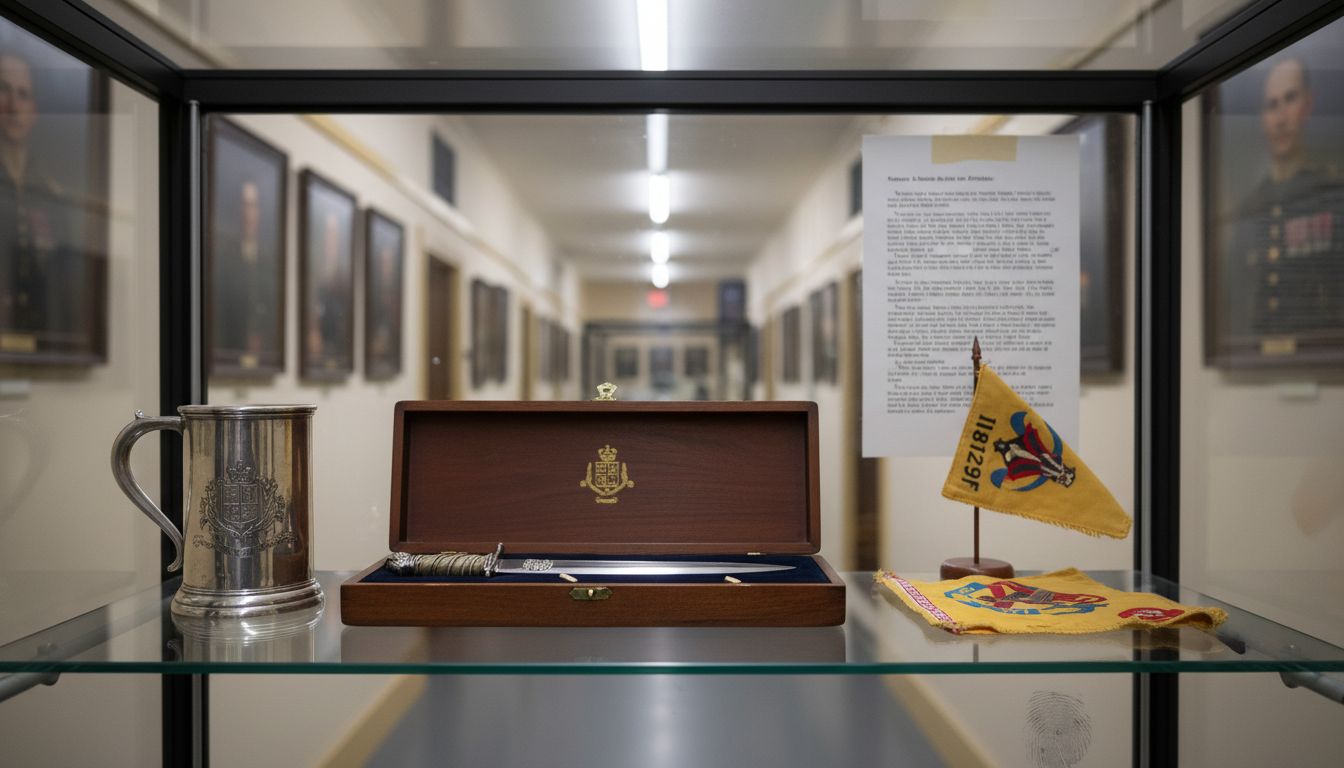
The Ministry of Defence provides explicit guidelines for appropriate military gifts, specifying that suitable exchanges include plaques, crystal, silverware, and military crests. These carefully chosen items serve multiple purposes beyond mere decoration, representing institutional memory and professional respect.
Typical military gift occasions include:
- Retirement Ceremonies: Commemorative items recognising long-standing service
- International Military Exchanges: Diplomatic gifts symbolising inter-service relationships
- Achievement Awards: Recognising exceptional performance or heroic actions
- Deployment Milestones: Marking significant operational achievements
Interestingly, alternative gift approaches like Forcesline Gift Cards demonstrate innovative ways of supporting military communities. These unique gifts allow individuals to make meaningful contributions that directly benefit serving personnel and veterans, transforming traditional gift-giving into a form of tangible support and appreciation.
Symbolism and tradition in military gifts
Military traditions represent profound narratives of honour, sacrifice, and collective identity, with gifts serving as powerful symbolic conduits that communicate complex institutional values and shared experiences. These exchanges transcend simple material transactions, embodying deep cultural meanings that connect generations of servicemen and servicewomen.
Ceremonial events like Trooping the Colour exemplify how military traditions transform seemingly simple gestures into powerful symbolic representations of loyalty and unity. Such practices demonstrate that gifts and ceremonial objects are not mere accessories, but intricate mechanisms of institutional communication and historical preservation.
The symbolism of military gifts extends far beyond conventional understanding, encompassing multiple layers of meaning:
- Institutional Memory: Preserving and transmitting organisational heritage
- Recognition of Service: Acknowledging individual and collective achievements
- Diplomatic Communication: Establishing and maintaining inter-service relationships
- Emotional Connection: Creating tangible links between current and past service members
Interestingly, even recognition of non-human contributions holds symbolic significance, as illustrated by the PDSA Dickin Medal, which honours animals for their gallantry in military conflicts. This remarkable tradition underscores how military symbolism can transcend human boundaries, recognising courage and sacrifice in its most inclusive form.
Etiquette, protocol, and legal guidance
Military gift exchanges operate within a sophisticated framework of strict protocols and legal considerations, ensuring that every interaction maintains the highest standards of professional conduct and institutional integrity. These guidelines are not mere bureaucratic formalities, but essential mechanisms for preserving the dignity and respect inherent in military traditions.
The Ministry of Defence provides comprehensive guidance, specifying that official gifts must reflect the Department of State and avoid potential confusion with personal exchanges. Certain items are explicitly prohibited, including cash, gift vouchers, and consumable goods, to maintain clear boundaries between official recognition and personal transactions.
Key etiquette principles for military gift exchanges include:
- Official Verification: Ensuring all gifts are sanctioned by appropriate commanding officers
- Cultural Sensitivity: Recognising and respecting diverse cultural interpretations
- Transparency: Maintaining clear documentation of gift exchanges
- Proportionality: Matching gift value to the significance of the occasion
Interestingly, even public interactions are carefully managed. The UK government advises against sending unsolicited gifts to troops, highlighting the complex considerations surrounding military gift-giving. Such guidance underscores the delicate balance between goodwill and operational effectiveness, ensuring that well-intentioned gestures do not inadvertently disrupt military communications or personal connections.
Gift exchanges versus civilian customs
Military gift exchanges represent a highly structured and regulated practice that fundamentally differs from casual civilian gift-giving, reflecting the unique professional and institutional contexts of armed forces. Unlike informal social interactions, these exchanges are carefully choreographed symbolic communications with deep organisational significance.
The Ministry of Defence establishes strict protocols governing military gift exchanges, creating a marked contrast with civilian customs where gift-giving is typically more spontaneous and personal. These regulations ensure that military gifts maintain professional boundaries, avoid potential conflicts of interest, and preserve the integrity of institutional relationships.
Key differences between military and civilian gift exchanges include:
- Regulatory Framework: Highly structured military protocols versus informal civilian practices
- Purpose: Institutional communication versus personal sentiment
- Approval Process: Requiring official verification versus individual discretion
- Potential Implications: Potential professional consequences versus social considerations
Interestingly, while civilian contexts offer mechanisms like charitable donation schemes to enhance financial contributions, military gift exchanges operate under fundamentally different principles. The focus remains on symbolic representation, institutional memory, and maintaining the profound traditions that bind military communities together.
Discover Meaningful Military Gifts That Honour Tradition and Service
Understanding the deep symbolism behind armed forces gift exchanges reveals a unique opportunity to celebrate loyalty, sacrifice, and camaraderie. Whether marking a retirement, commemorating a deployment milestone, or strengthening diplomatic bonds, choosing the right gift reflects respect and institutional memory. If you seek to embody these timeless values in your presents explore our curated Featured Gift Ideas designed specifically for serving personnel and veterans alike.
Elevate your gesture with authentic UK military gifts and presentation products from The Regimental Store Ltd. From British Army keepsakes to unique Royal Navy collections available through our Royal Navy Shop your next gift can become a lasting symbol of honour and professional respect. Start now by visiting regimentalstore.co.uk to select presents that truly reflect the proud traditions you wish to celebrate.
Frequently Asked Questions
What are the main purposes of military gift exchanges?
Military gift exchanges serve multiple purposes, including building diplomatic relationships, enhancing morale among service members, and documenting historical interactions between military units.
What types of gifts are typically exchanged in the armed forces?
Common military gifts include plaques, crystal items, silverware, and military crests, all of which hold significant cultural and institutional value.
How do military gift exchanges differ from civilian gift-giving customs?
Military gift exchanges are highly structured and regulated, focusing on institutional communication and professional integrity, whereas civilian gift-giving is typically more spontaneous and personal.
What etiquette guidelines should be followed during military gift exchanges?
Key etiquette principles include ensuring gifts are officially sanctioned, recognising cultural sensitivities, maintaining transparency in documentation, and matching the gift value to the occasion’s significance.
Recommended
- Why Do Armies Give Gifts? Complete Guide for 2025 – The Regimental Store Ltd
- British Army Gift Traditions: Complete Guide UK – The Regimental Store Ltd
- Military Gifts: Everything You Need to Know – The Regimental Store Ltd
- Military Gifts Symbolism: Complete Guide for UK Audience – The Regimental Store Ltd
- Make Your Moments Special With These Things Remembered Gifts – Gino’s Awards, Inc.
- Gift Ideas for Loved Ones - STOMART.CO.UK